
Protecting the Future of Flight: Cybersecurity Behind Vantis
When people think about advanced drone technology, they often picture aircraft, sensors, and autonomous flights. What they don’t see is the technology and people working behind the scenes to make every flight possible and get the data where it needs to go.
That’s where cybersecurity comes in.
Critical Systems Need to Be Trusted
Today’s connected technologies rely on vast amounts of data moving between aircraft, ground infrastructure, communications networks, applications, and, of course, the operators using the system. As more critical infrastructure becomes connected at all layers of technology, both the benefit and the potential negative impact of a cyber incident grow in parallel.
Security isn’t simply about defending against threats. It's about ensuring critical systems remain reliable, resilient, and trusted from the beginning and throughout the lifecycle of those systems.
Nowhere is that more important than advanced unmanned aircraft systems (UAS), where secure communications and dependable infrastructure help support safe beyond-visual-line-of-sight (BVLOS) operations.
In partnership with the Northern Plains UAS Test Site and our support behind the Vantis system, North Dakota Information Technology (NDIT) recognized early that innovation and cybersecurity must evolve together because cybersecurity encompasses all layers of people, process, and technology.
As the state continues investing in modern technologies, it has also invested in the secure digital infrastructure needed to support them. That commitment creates an environment where stakeholders can confidently develop, test, and scale new capabilities, knowing security has been built into the system from the start.
NDIT Playing a Key Role
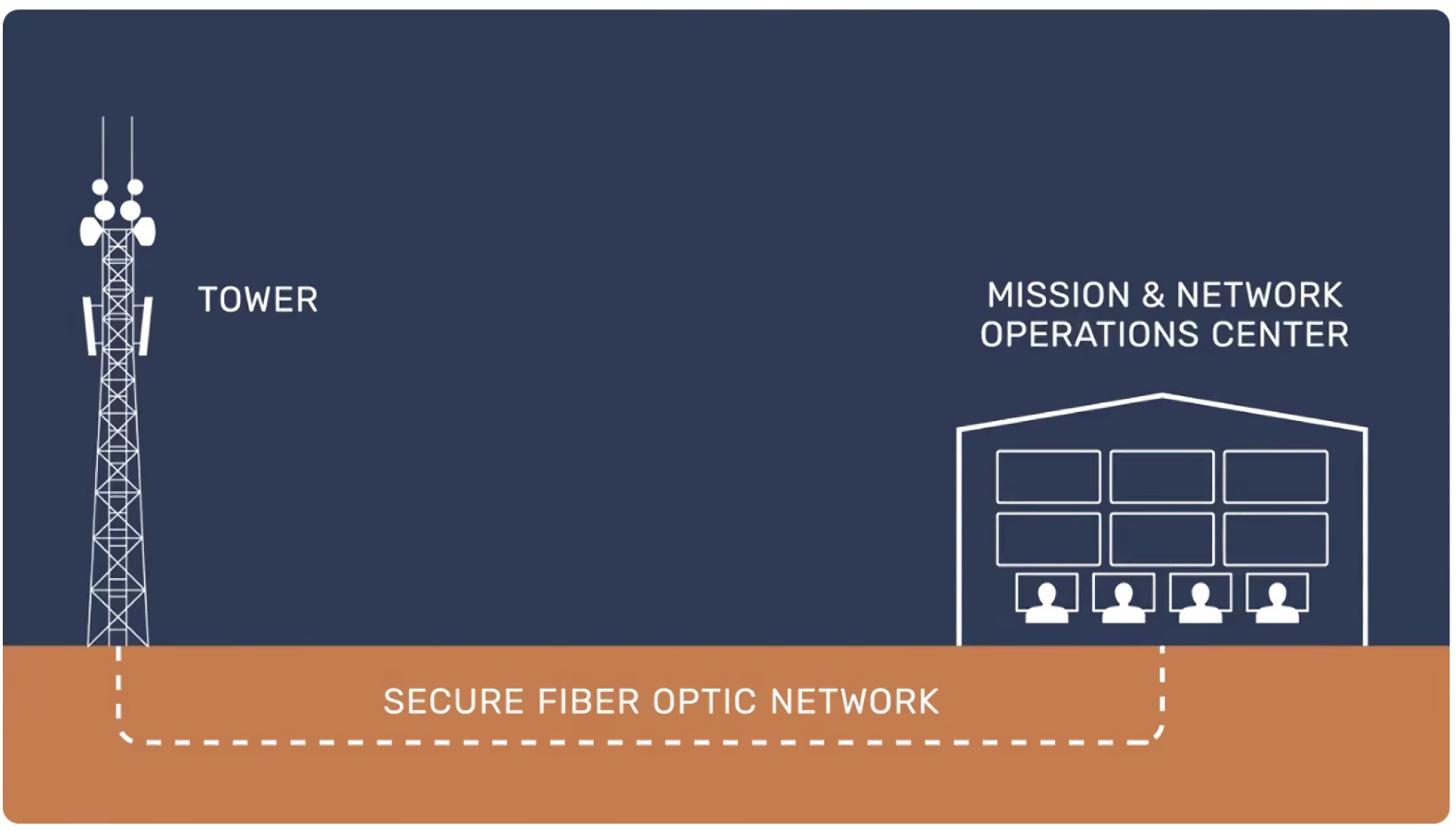
Working alongside the NPUASTS and federal partners, NDIT built the secure digital foundation that powers Vantis. The team designed protected network pathways connecting federal aviation systems to the Vantis system, built hardened computing environments capable of processing sensitive, real-time FAA radar data, implemented firewalls and layered security controls that meet rigorous federal requirements, and engineered a unique platform capable of delivering continuous, real-time data. Extensive testing and validation with federal partners helped ensure the system met both performance and security expectations before going live.
Behind the scenes, enterprise architects, cybersecurity professionals, network engineers, systems administrators, and project managers worked together to create infrastructure that is secure, resilient, and ready to support advanced drone operations. Combining the Test Site’s expertise in UAS operations and legislators supporting the effort, the partnership has created a secure operating environment that enables innovation without compromising reliability or security.
Collaboration Makes the Difference
Organizations evaluating where to test and deploy advanced operations need confidence that the underlying infrastructure can support their missions and needs. A secure, resilient environment reduces operational risk, helps protect sensitive information for approved use cases, and provides greater assurance that critical systems will perform as expected when they’re needed most.
That confidence allows organizations to focus on what they do best—developing new technologies, validating new use cases, and accelerating innovation.
As Vantis continues to advance North Dakota’s leadership in autonomous systems, cybersecurity remains one of its greatest strengths. While it may not be as visible as the aircraft in the sky, it is the foundation that helps every mission operate safely, securely, and with confidence.